
Cash flow is the heartbeat of every small business. Without proper cash flow management, even profitable businesses can struggle to survive.
Many founders assume profit equals stability. But in reality, a business can look profitable on paper and still run out of money in real life.
Take this example.
A Lagos-based fashion entrepreneur, Amina, had consistent sales every month. Orders were coming in, customers were happy, and her brand was growing. But one month, she couldn’t pay her tailors on time.
Why? Because most of her customers paid late, while her expenses were immediate.
That gap nearly shut her business down.
This is where cash flow management becomes critical. It ensures that money coming in and going out is properly tracked, planned, and controlled so the business never runs dry.
Understanding Cash Flow Management in Simple Terms
Before diving deeper, let’s break down what cash flow management really means.
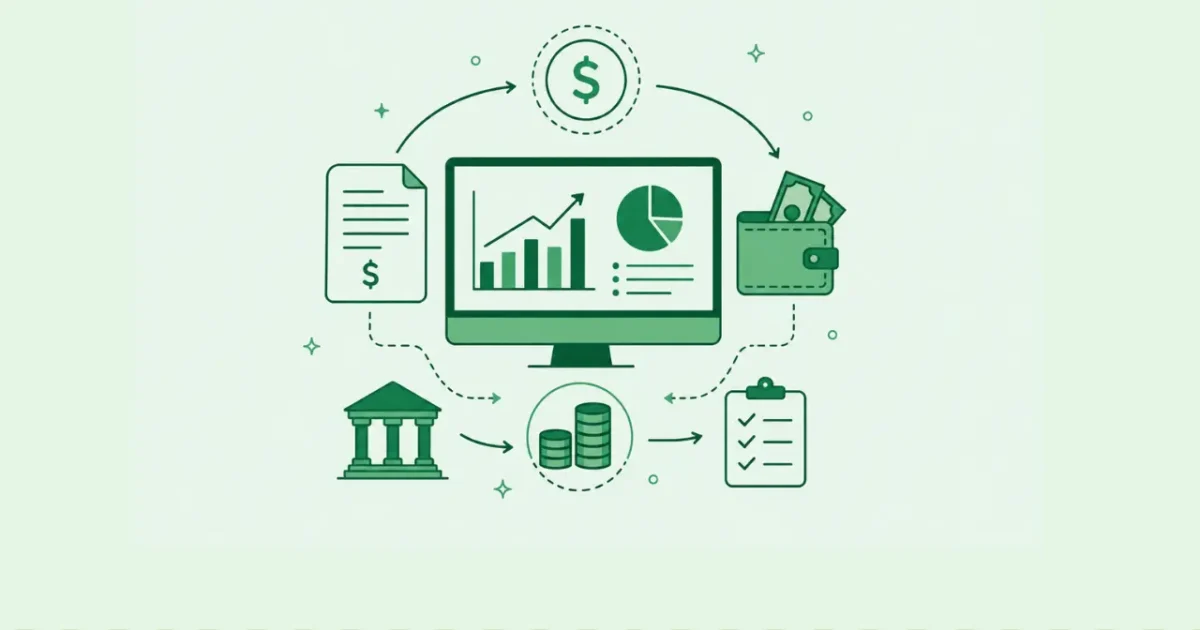
Cash flow management is the process of tracking how money enters and leaves your business. It helps you understand whether you have enough liquidity to cover expenses at any point in time.
It includes:
- Monitoring income
- Tracking expenses
- Managing payment timing
- Forecasting future cash needs
When done properly, cash flow management helps you avoid surprises and make better financial decisions.
Why Small Businesses Struggle With Cash Flow
Most cash flow problems are not caused by a lack of money but a lack of visibility.
Small businesses struggle with cash flow management for three main reasons:

1. Delayed Payments From Customers
Many SMEs operate on credit terms. Customers take 30, 60, or even 90 days to pay.
This creates gaps between work done and money received.
A printing business owner in Abuja once shared that he had over ₦2 million in pending invoices but only ₦50,000 in his account. He looked rich on paper, but couldn’t restock materials.
2. Poor Expense Tracking
Without proper expense tracking software, money leaks easily through small, unmonitored spending.
These include transport, subscriptions, ad spending, and operational costs.
3. Lack of Financial Planning
Many SMEs do not use financial planning tools for SMEs or structured forecasting.
Instead, they rely on guesswork, which leads to cash shortages.
Core Principles of Cash Flow Management
Strong cash flow systems are built on discipline, structure, and visibility.
1. Separate Revenue From Profit
Just because money enters your account does not mean it is profit.
You must always separate operational funds from actual earnings.
2. Track Every Inflow and Outflow
A proper payment tracking system ensures no transaction goes unnoticed.
This includes:
- Customer payments
- Vendor payments
- Payroll expenses
- Subscription fees
3. Forecast Your Cash Flow
Cash flow forecasting helps you predict future financial positions.
For example, if you know rent and payroll will be due next month, you can plan ahead instead of reacting late.
Automating Cash Flow for Better Control
Manual tracking is no longer enough for growing businesses.
This is where automation becomes a game changer.
Modern SMEs are now adopting digital finance solutions to improve accuracy and save time.

How Automation Helps
Automation improves cash flow management by:
- Reducing human error
- Tracking real-time transactions
- Sending payment reminders
- Organizing financial data
A tech startup founder in Lagos once explained that before automation, he spent three days every month reconciling accounts. After switching systems, it took less than two hours.
How Paycape Helps Improve Cash Flow Management
Having the right tools can transform how you manage money in your business.
Paycape is built to simplify financial operations for SMEs by improving visibility and control.
1. Payroll Control With Paycape Payroll
Managing salaries manually can disrupt working capital management if not planned properly.
With Paycape Payroll, businesses can automate salary payments, reducing errors and ensuring timely execution.
2. Smarter Payment Tracking With Paycape Payments
Cash flow improves when you know exactly what is coming in and going out.
Paycape Payments helps SMEs streamline inflows and outflows, improving accounts receivable management.
3. Better Budget Discipline With Paycape Budgets
Budgeting is essential for strong cash flow management.
Paycape Budgets helps businesses set financial limits and avoid overspending.
4. Expense Visibility With Paycape Expenses
Many SMEs struggle with hidden costs.
Paycape Expenses provides clear tracking so founders always know where money is going.
5. Subscription Control With Paycape Subscriptions
Recurring payments can quietly drain cash flow.
Paycape Subscriptions helps businesses monitor and control all active subscriptions.
Together, these tools improve financial visibility for SMEs and support smarter decision-making.
Common Cash Flow Mistakes to Avoid
Even experienced founders make mistakes that hurt their cash flow.
- Mixing Personal and Business Finances:This is one of the fastest ways to lose financial clarity.
- Ignoring Small Expenses:Small expenses accumulate quickly and affect liquidity.
- Not Following Up on Payments:Delayed invoicing leads to delayed cash inflows.
- Lack of Forecasting:Without forecasting, businesses are always reacting instead of planning.
Building a Strong Cash Flow System
A strong system is what separates struggling businesses from scalable ones.
To build effective cash flow management, SMEs should:
- Automate financial tracking
- Review cash flow weekly
- Set clear payment terms
- Use structured budgeting tools
- Monitor financial reports consistently
Platforms like Paycape help unify these processes into one system, making it easier for founders to stay in control.
Frequently Asked Questions
What is cash flow management in simple terms?
It is the process of tracking money coming in and going out of a business to ensure financial stability.
Why is cash flow management important for small businesses?
Because it helps prevent cash shortages and ensures the business can meet daily expenses.
How can SMEs improve cash flow quickly?
By tracking expenses, speeding up payments, and using automation tools.
What tools help with cash flow management?
Tools like Paycape, accounting software, and expense tracking systems help improve visibility and control.
Conclusion
Strong cash flow management is not just about tracking money. It is about building a system that keeps your business financially healthy at all times.
When SMEs use structured forecasting, proper budgeting, and automation tools, they gain better control over liquidity and reduce financial stress.
Platforms like Paycape make this process easier by combining payroll, payments, budgets, expenses, and subscription management into one seamless system.
If you are ready to take control of your business finances and eliminate cash flow uncertainty, now is the right time to act. Start improving your cash flow today with Paycape.