Africa leads the world in mobile money adoption, with over 500 million registered accounts. While others figured out credit cards, Africans jumped from cash to mobile-based digital solutions.
Remember when you had to walk to the bank and stand in queues for hours to send money? For years, moving money felt like a chore. Paying meant carrying cash everywhere, and also getting worried about getting robbed.
Those days are quickly fading. Today, digital payment in Africa has transformed how we handle money. You can send cash to your mum, pay for groceries, settle bills, and buy airtime, all from your phone.
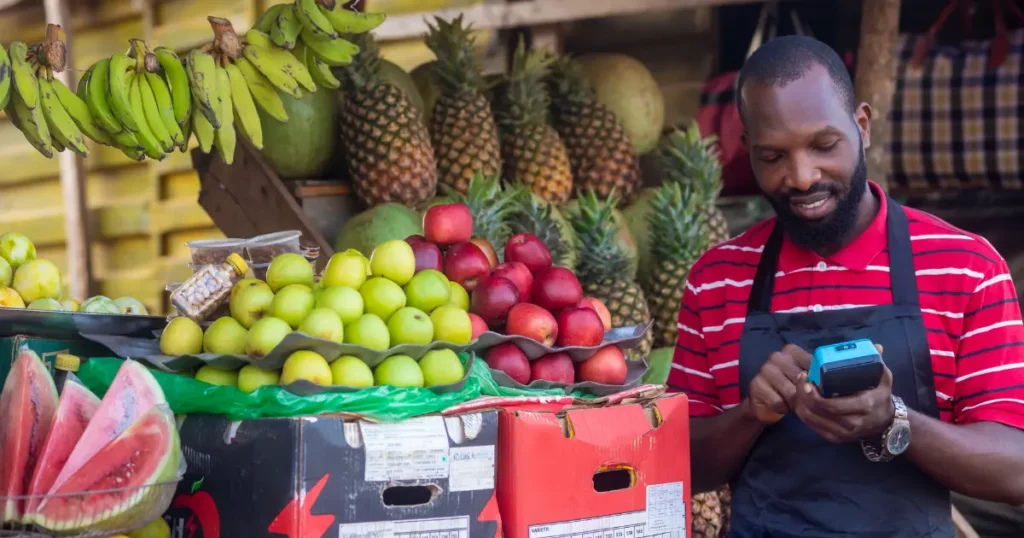
In this comprehensive article, we’ll explore everything you need to know about digital payments in Africa, from understanding what digital currency is to choosing the right payment method. Whether you’re a complete beginner or hesitant to go cashless, this is your roadmap.
What Are Digital Payments in Africa?
Digital payments in Africa simply means using electronic methods instead of physical cash to send money, receive payments, pay for goods,s ervices, and for cross-border payments for small businesses in Africa. Instead of carrying cash, people rely on mobile phones, apps, and online platforms to handle transactions.
However,unlike Western countries, where people first used credit cards and banks, Africa took a different path. We jumped straight into mobile-based payment solutions.
As a result, Mobile phones became the easiest way to handle money. Over time, mobile money payment services grew, allowing people to send and receive money, pay for things, and manage finances using just their phones.
According to the GSMA Mobile Economy report, Sub-Saharan Africa has over 500 million registered mobile money accounts, making it the global leader in adoption.
Why Are Digital Payments Gaining Ground in Africa?
Digital payments in Africa have become popular due to convenience, flexibility, and value.
Unlike traditional cash transactions, digital methods provide continuous access to financial services for minimal fees, eliminating physical bank visits. This resonates with modern African consumers who value seamless experiences and want quick, reliable ways to manage their money without the hassle of long queues or traveling long distances to reach bank branches.
Digital payments cater to today’s digitally-driven society. With e-commerce growth, customers seek flexible and affordable ways to access offerings, and instant payment systems in Africa provide that!
According to World Bank data, digital payment adoption in Africa increased over 40% during the pandemic, continuing to grow.

Benefits of Digital Payments in Africa
1. Convenience: Access financial services without visiting banks. For rural areas where banks are scarce, this is life-changing.
2. Financial Inclusion: Mobile money brought millions of unbanked Africans into the financial system. You only need a phone number and ID.
3. Safety: Carrying cash is risky. Digital payments eliminate this danger.
4. Instant Transactions: Money moves in seconds, not days.
5. Record Keeping: Every transaction is recorded digitally.
6. Lower Costs: Digital payments charge lower fees than traditional banking.
Check out Paycape’s guide to payment methods to understand which option aligns with your needs.
Types of Digital Payment Systems in Africa
Mobile Money Platforms
Mobile money is the foundation of digital payments in Africa. Run by telecom companies, these services let you store money electronically and transact via USSD codes or apps.
Popular Options:
- M-Pesa (Kenya, Tanzania)
- MTN Mobile Money
- Airtel Money
- Orange Money
Pros:
- Works on any phone
- Agents in remote areas
- No bank account required
- Perfect for mobile money payment without internet
Cons:
- Agent fees for deposits and withdrawals
- Transaction limits
- Network delays
Digital Wallets and Banking Apps
Smartphone apps offer more features than basic mobile money, including savings accounts and investments.
Popular Options:
- OPay, PalmPay, Kuda (Nigeria)
- Wave (Senegal, Côte d’Ivoire)
- Chipper Cash
Pros:
- Lower or zero fees
- More features
- Better interface
- Enhanced security
Cons:
- Requires a smartphone and the internet
- Learning curve for older users
- Limited agent networks
Visit Paycape’s contactless payment apps guide to learn more.
QR Code Payment Systems
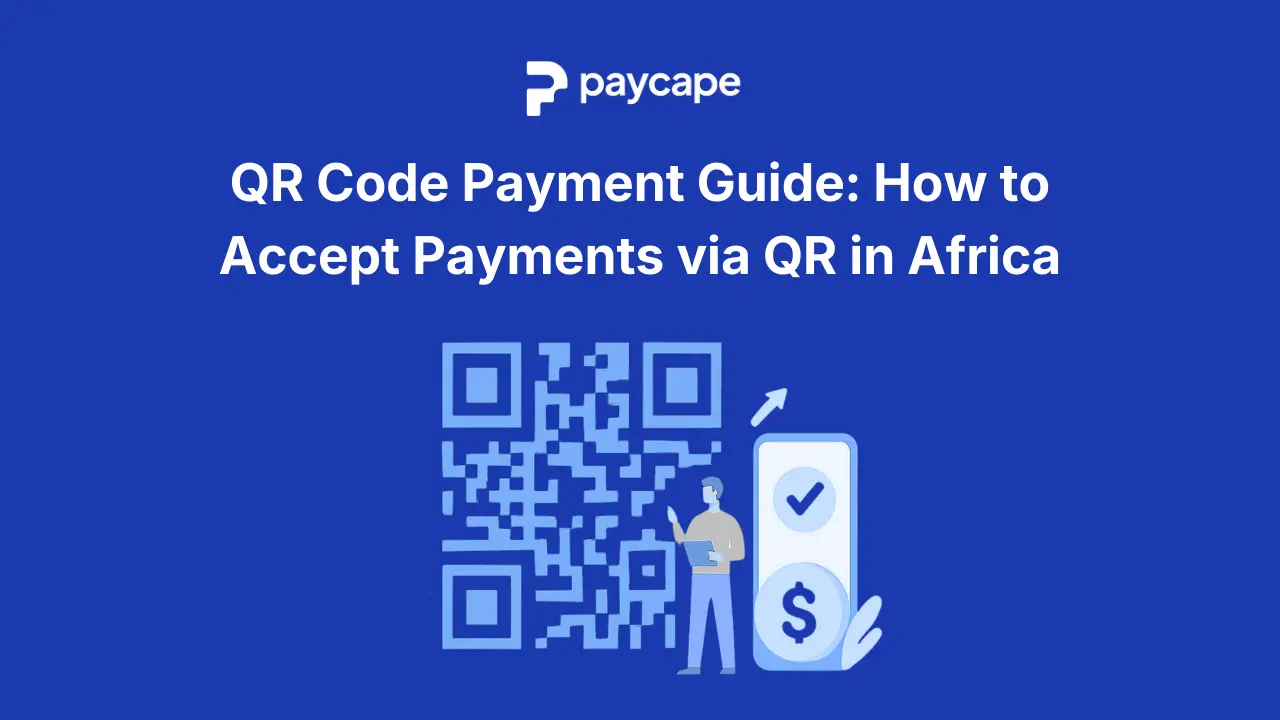
One exciting digital payment trend in Africa 2026 is QR Code. Instead of typing account numbers, you scan and pay.
How It Works:
- The merchant displays a QR code
- Customer scans with the app
- Enter the amount and confirm
- Transaction completes instantly
Benefits:
- No typing errors
- Faster than manual entry
- Works across platforms
- Contactless
Bank Transfers and Cards
Banks offer mobile apps and debit cards for digital payments.
Pros:
- Established trust
- Higher limits
- International acceptance
Cons:
- Requires a bank account
- Higher fees
- Less accessible rurally
Common Challenges with Digital Payments
1. Network Connectivity Issues
Poor internet coverage disrupts transactions. This digital payment difficulty affects urban and rural areas.
Solution: Use USSD-based services without internet, or transact during off-peak hours.
2. High Transaction Fees
Some platforms charge fees that add up, especially for cross-border or international payments.
Solution: Compare fee structures and choose lower-cost services.
3. Security Concerns
Scams, fraud, and hacking remain concerns.
Solution: Never share your PIN, use strong passwords, enable two-factor authentication, and use official apps only.
4. Limited Merchant Acceptance
Not all businesses accept digital payments, especially rurally.
Solution: Carry cash backup, encourage merchants to adopt digital payments.
5. Literacy and Tech Barriers
Some people struggle with technology.
Solution: Platforms are creating simpler interfaces, and community programs teach the basics.
How to Get Started
Step 1: Choose the Right Platform
Research options. Consider fees, agent accessibility, phone compatibility, and services offered.
Step 2: Register Your Account
Visit an agent or download the app. You’ll need a phone number, government ID, initial deposit (often just $1).
Step 3: Secure Your Account
Create a strong PIN, don’t share it, enable biometric security, and set up notifications.
Step 4: Start Small
Build confidence with small transactions. Buy airtime, send small amounts to friends, pay a bill.
Step 5: Learn and Expand
Save money easily, send money to other countries, pay by scanning QR codes, and set up automatic payments.
The Future of Digital Payments in Africa
Digital payments in Africa are getting easier and smarter every year. Here’s what’s coming in 2026:
- Easier transfers: You’ll be able to send money between different apps and services without any trouble.
- Digital money and blockchain: Some platforms are testing new digital currencies, though rules are still being made.
- Smart features with AI: Apps will help spot fraud, give financial advice, and even help you save automatically.
- More services in one place: Many apps will not just send money, but also offer loans, insurance, and investments.
- Reaching rural areas: Better internet and mobile networks will bring digital payments to villages and small towns.
Embrace Digital Payments!
Embrace Digital Payments! Whether sending money conveniently or accepting payments for business, digital payments in Africa offer solutions unimaginable a decade ago. Africa leapfrogged traditional banking to create mobile-first financial services studied globally.
From basic mobile money payment to sophisticated instant payment systems in Africa, options expand continuously. Don’t let digital payment difficulty hold you back.
Start with simple transactions, learn as you go, and soon you’ll wonder how you managed with just cash. Explore platforms like mobile money, digital wallets, and online banking to unlock new opportunities and convenience freely.
Frequently Asked Questions
Do I need a smartphone to use digital payments in Africa?
No, you do not need a smartphone. Mobile money works on basic phones using USSD codes. Just dial the provider’s code (like *123#) to access services without internet. Smartphones offer more features and security, though, like biometric authentication.
How much does it cost to send money digitally in Africa?
Costs vary by provider and type. Mobile money typically charges 0.5-5% depending on the amount. Digital wallets often have lower fees or free transfers. Cross-border costs more. Always check fee structures and compare providers. Some platforms offer free transfers below certain amounts. Also, watch out for hidden fees like conversion rates or recipient charges; they can add up!
Is digital payment safe in Africa?
Yes, when using licensed platforms and following security practices. Never share your PIN, verify recipient details, or use official apps. The safest platforms have encryption, two-factor authentication, fraud monitoring, and transaction limits. Report suspicious activity immediately. Always check for security badges, read terms, and keep your device/software updated for maximum protection online.
Conclusion
Digital payments in Africa aren’t just the future, they’re the present for hundreds of millions across the continent. Every day, millions discover convenience, safety, and opportunities from going cashless. From mobile money payment on basic phones to sophisticated cross-border transactions, options have never been better.
You don’t have to master everything at once. Start with one method fitting your comfort level. Get familiar. Then gradually explore other options as confidence grows.
Stay security-conscious, keep learning, and don’t be afraid to ask questions. The digital payment trends in Africa 2026 show that this ecosystem will only improve.
Ready to scale your fintech across Africa?
Join Paycape to get discovered, find partners, and stay compliant across West Africa
Join the Waitlist