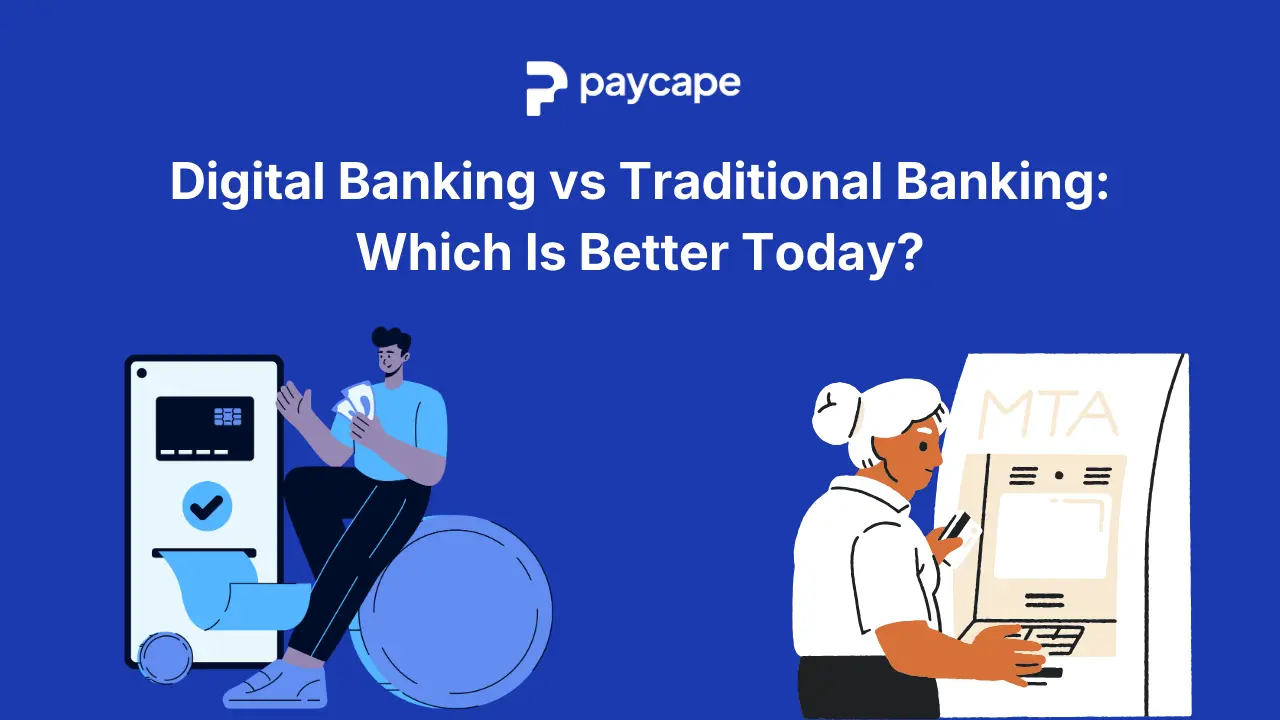
Remember when banking meant dressing up, leaving your house, and standing in long, frustrating lines at the bank, sometimes under the sun, just to check your account balance or make a simple transaction? Back then, you had to wait your turn, fill out forms, and in many cases, hear the familiar phrase, “Please come backtomorrow.” At that time, banking felt slow, stressful, and time-consuming. However, those days are gradually becoming a thing of the past.
Today, the way we handle money has completely changed. Instead of visiting crowded banking halls, banking has moved straight into the palm of your hand. With just a smartphone and an internet connection, you can now send money in seconds, pay bills without stress, buy airtime, transfer funds, monitor your spending, and even apply for loans. More importantly, you can do all of this while sitting comfortably at home, at work, or even on the road.
As a result, banking is no longer limited by time or location. In fact, your bank is now open 24/7, giving you full control over your finances whenever you need it. Overall, what used to take hours now takes minutes, making modern banking faster, simpler, and far more convenient for everyday life.
The fight between Digital Banking vs Traditional Banking is changing how we handle money. Recent statistics show that 77% of people now prefer managing their bank accounts through a phone app or computer. That’s a huge change from just a few years ago.
But here’s the real question: Is digital banking actually better than traditional banking, or do physical bank branches still matter in 2026?
In this guide, I’ll break down everything you need to know about both options. You’ll learn what makes each one different, the good and bad sides, and which one fits your money lifestyle best.

What Is Digital Banking?
Digital banking is when you do all your banking stuff online or through a phone app without going to a physical bank branch. Think of it as carrying a bank in your pocket.
With digital banking, you can check your balance, send money, pay bills, apply for loans, and manage investments all from your phone or computer. Services like online banking platforms, neobank apps, and mobile wallets are all part of digital banking.
What Digital Banking Offers
Modern digital banking comes with features that make handling money super easy:
- Always Available: You see, unlike regular banks with opening hours, digital banking works 24/7. So, whenever you need to send money at 2 AM? You can easily do that, with no stress.
- Cheaper Fees: Since digital banks don’t have expensive physical buildings, they charge you less and give better interest rates.
- Instant Money Movement: Most digital banking platforms move your money in real-time, meaning your cash moves faster.
- Smart Money Tools: Many neobanks now include budgeting tools, spending trackers, and automatic savings features powered by smart technology.
- Different Currencies: For freelancers and businesses dealing with other countries, digital banks often offer easy multi-currency accounts.
What Is Traditional Banking?
Traditional banking is the old-school way of banking, with physical bank buildings where you walk in, talk to a bank worker, and handle your money face-to-face.
Traditional banks have been around for hundreds of years. They offer everything, including savings accounts, checking accounts, loans, home loans, investment products, and money advice. You deal with them through physical branches, ATMs, and also through their own digital platforms.
Why Traditional Banks Still Matter
Despite the digital revolution, traditional banking still has special benefits:
- Face-to-Face Help: Some money matters feel better when you talk to someone in person. Big loans, investment advice, or fixing problems can be easier when speaking with a real person.
- Handling Physical Cash: If you need to deposit a lot of cash or withdraw big amounts, physical branches make this easy.
- Trust and Safety: Established traditional banks have decades or even hundreds of years of history, which makes people feel more secure.
- Everything in One Place: Traditional banks typically offer more financial services, including home loans, business loans, safe boxes, and personal money advice.
- Building Relationships: Over time, you get to know bank workers who understand your money history and can give you personal advice.
Digital Banking vs Traditional Banking
When it comes to managing your money, digital banking and traditional banking offer very different experiences that can affect your daily life. Below are the major differences between digital banking and traditional banking, especially in terms of convenience, access, and cost.
1. Easy Access and Convenience
Digital Banking: Works 24/7 from anywhere with the internet. Perfect for people who hate waiting in lines or have busy lives. According to data, digital banks handle customer requests 70% faster than traditional banks.
Traditional Banking: Only open during work hours, usually 9 AM to 4 PM on weekdays. You need to physically visit for many services, though most now offer some online banking too.
2. Money You Pay in Fees
Digital Banking: Usually lower fees because there are no physical buildings to pay for. Many digital banks charge zero monthly fees and give higher interest on your savings.
Traditional Banking: Higher fees for keeping your account, doing transactions, and using services. These costs pay for maintaining physical buildings.
3. Customer Help
Digital Banking: Mainly app-based help, chatbots, email, and phone support. Available 24/7, but you can’t sit face-to-face with someone for big issues.
Traditional Banking: In-person help at branches, plus phone and online support. Better for complicated money needs requiring personal attention.
4. Safety and Trust
Digital Banking: Uses strong security, fingerprint login, and multi-step verification. However, being digital-only worries some people about online safety.
Traditional Banking: Physical security plus digital security measures. Having actual buildings and a longer history makes many people feel safer.
5. What Services Do You Get
Digital Banking: Great for everyday banking, transfers, payments, basic savings, and loans. Limited in complex services like money management or specialized business banking.
Traditional Banking: Everything, including home loans, business loans, investment advice, safe boxes, and international banking services.
Pros and Cons of Digital Banking & Traditional Banking
Digital Banking
Good Points
- Works 24/7 from anywhere
- Lower fees and better interest rates
- Faster money movement
- Advanced tech features (smart budgeting, spending trackers)
- Easy account opening
- No minimum balance needed (for most)
- No paper and eco-friendly
Bad Points
- No physical branches for face-to-face help
- Hard to deposit cash
- You need a smartphone and the internet
- Not great for complicated money needs
- Some people worry about online security
- May not have full loan and home loan products
- Customer help is mainly through chat or phone
Traditional Banking
Good Points
- Physical buildings for in-person help
- Face-to-face relationship with bankers
- Full range of money products
- Easy cash deposits and withdrawals
- A long history builds trust
- Better for complicated money stuff
- Safe boxes and special services
Bad Points
- Only open limited hours (usually 9 AM-4 PM)
- Long lines and waiting
- Higher fees and lower interest rates
- Need to physically visit for many services
- Slower money movement
- More paperwork
- Fewer new tech features
Banking Comparison: The Final Answer
The truth is that there is no single “better” choice. Digital Banking vs Traditional Banking isn’t about one replacing the other; it’s about choosing what fits your life.
Digital banking wins in convenience, saving money, and new technology. It’s perfect for everyday banking and tech-comfortable people. Traditional banking remains better for complicated money needs, personal relationships, and people who value face-to-face service.
The new trend is using both, keeping traditional banks for complex needs while using digital platforms for everyday stuff. This gives you the best of both worlds.

Frequently Asked Questions
Is digital banking safe?
Yes, digital banking is very safe. Digital banks use bank-level security, fingerprint login, multi-step verification, and constant fraud watching. In fact, 96% of people rate their digital banking experience as “excellent,” “very good,” or “good.” However, always use strong passwords, turn on two-factor authentication, and avoid public WiFi when checking your accounts.
Can I deposit cash with digital banking?
Most pure digital banks don’t take direct cash deposits since they have no physical buildings. However, many partner with ATM networks or stores where you can deposit cash. Some let you link traditional bank accounts and move money over. If you handle cash often, using both digital and traditional accounts might work best.
Which has better interest rates?
Digital banks typically offer much better interest rates on savings accounts because they have lower costs. Without expensive physical buildings to maintain, they can give you those savings through higher interest rates and lower fees. However, always compare specific rates as they change by bank and account type.
Conclusion
Digital Banking vs Traditional Banking shows two different ways to manage your money, each with clear advantages. Digital banking offers unbeatable convenience, lower costs, and cutting-edge technology that’s changing how we handle money. Traditional banking provides personal relationships, full services, and the comfort of physical presence.
The smart choice? Think about your specific needs. If you’re tech-savvy, rarely need to deposit cash, and want the best rates, digital banking is your answer. If you value face-to-face service, need complicated money products, or prefer talking with a banker in person, traditional banking still works well for you.
Ready to explore your banking options? Paycape gives you complete guides, reviews, and comparisons of both digital and traditional banking solutions. Whether you’re looking for the best online banking app, understanding neobank options, or comparing traditional banks, we help you make smart money decisions. Visit Paycape today to find the perfect banking solution for your needs.
Ready to scale your fintech across Africa?
Join Paycape to get discovered, find partners, and stay compliant across West Africa
Join the Waitlist