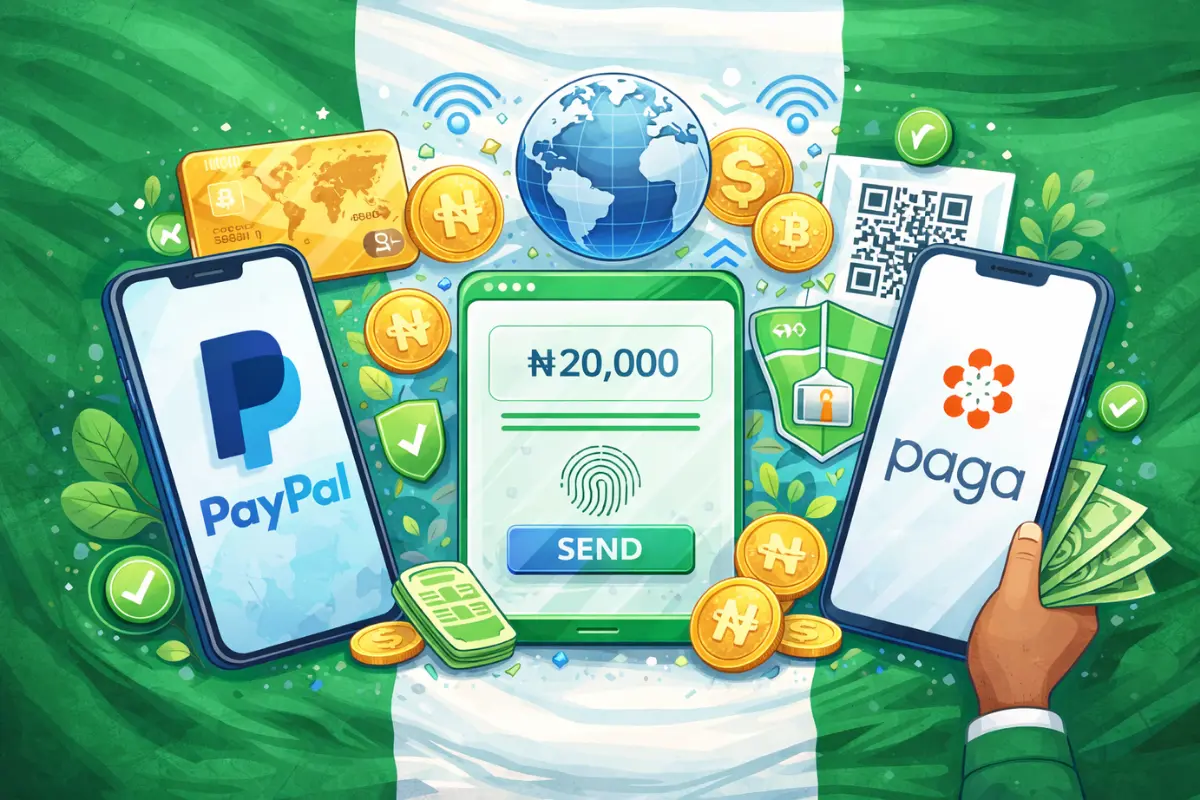
PayPal has officially returned to Nigeria after years of absence. The global payments company partnered with Paga, a Nigerian fintech firm.
This development marks a significant milestone for Nigeria’s digital economy. Nigerian users previously could not receive international payments through PayPal. The new partnership changes this limitation entirely.
Paga CEO Tayo Oviosu announced the partnership through social media on January 27, 2026. The announcement revealed a journey spanning over a decade. Oviosu first contacted PayPal in August 2013 about potential collaboration.
At that time, Nigeria’s fintech ecosystem was still developing. Oviosu proposed that Paga would power payment on-ramps and off-ramps. This vision has now materialized into reality.
How the Partnership Works
The partnership unlocks a crucial capability for Nigerian users. They can now receive international payments through PayPal accounts. However, this feature requires linking accounts to Paga.
Only Nigerian PayPal accounts connected to Paga can receive funds. Users link their accounts directly within the Paga app. The process is straightforward and user-friendly.
Once linked, the PayPal account functions normally with added benefits. Users can receive payments from more than 200 countries worldwide. Funds received can be withdrawn anytime through the Paga app.
This integration provides seamless access to international payments. Both individuals and businesses benefit from the arrangement. The system operates efficiently without unnecessary complications.
Benefits for Different User Segments
The partnership opens significant opportunities across multiple sectors. Gig workers can now receive international payments directly through PayPal. This development particularly benefits freelancers working with global clients.
Families can send money to loved ones in Nigeria easily. The platform provides a reliable channel for international remittances. Nigerian merchants can also accept PayPal payments for services.
Additionally, Nigerians can make payments at over 30 million merchants globally. This feature connects the country to the worldwide digital economy. The integration strengthens Nigeria’s position in global commerce.
Strategic Significance
The partnership underscores Paga’s long-term infrastructure-building strategy. The company focused on creating robust local financial systems. Simultaneously, it worked to connect Nigerians to global networks.
This development also signals growing confidence in Nigeria’s fintech ecosystem. Global payment platforms are increasingly re-engaging with the market. The improved regulatory environment attracts international partners.
PayPal’s return validates Nigeria’s progress in financial technology development. The collaboration demonstrates that international companies recognize Nigeria’s potential. This recognition may encourage other global fintech platforms to enter.
Background and Context
PayPal previously exited Nigeria, limiting local users’ international payment capabilities. This exit created significant challenges for Nigerian entrepreneurs and freelancers. Many resorted to using alternative platforms or proxy accounts.
The absence particularly affected the creative and tech industries. Nigerian developers, designers, and content creators struggled with payment receipts. This limitation hindered their participation in the global gig economy.
Oviosu’s 2013 outreach to PayPal reflected his foresight about Nigeria’s potential. He predicted Nigeria would become an important global economy. His persistence over 13 years has now paid off.
Future Outlook
The Paga-PayPal partnership will likely accelerate Nigeria’s digital economy integration. Freelancers, SMEs, and creative professionals stand to benefit most. These groups rely heavily on cross-border payment capabilities.
The partnership may also inspire more international fintech platforms. Growing investor confidence could lead to additional market entries. Nigeria’s maturing fintech environment becomes increasingly attractive to global players.
Industry experts predict increased transaction volumes through the platform. The convenience and legitimacy will attract users from informal channels. This shift could improve financial transparency and economic reporting.
Furthermore, the partnership may influence regulatory frameworks across Africa. Other countries might adopt similar collaborative approaches with global platforms. Nigeria could become a model for international fintech partnerships.
Technical Implementation
The technical integration between Paga and PayPal ensures smooth operations. Users experience minimal friction when linking their accounts. The Paga app provides intuitive interfaces for account management.
Security measures protect user data and transaction information throughout. Both companies maintain high standards for financial security compliance. Regular updates ensure the system remains robust and reliable.
The withdrawal process operates efficiently through the Paga infrastructure. Users can access their funds quickly without delays. This efficiency distinguishes the service from alternative payment methods.
Conclusion
PayPal’s return to Nigeria through a partnership with Paga represents transformative progress. The collaboration addresses longstanding payment challenges for Nigerian users. It opens doors to global economic participation.
The partnership demonstrates patience, vision, and commitment to infrastructure development. Tayo Oviosu’s 13-year journey culminates in meaningful economic impact. Nigerian freelancers, merchants, and families now access legitimate international payment channels.
This development signals Nigeria’s growing importance in the global digital economy. The success may catalyze further international fintech collaborations. Nigeria’s fintech ecosystem continues to mature, attracting global attention and investment.